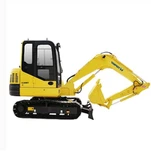
Dealing with abnormal loader vibration is crucial for both the safety of the equipment and the effectiveness of the work being performed. Loader vibration can result from a variety of factors, and addressing the issue depends on the cause. Here are steps to help you diagnose and deal with abnormal loader vibration:
Stop the Loader: First and foremost, ensure the loader is safely stopped and the engine is turned off to prevent any further damage or safety risks.
Safety Check: Inspect the loader and its surroundings for any immediate safety hazards. Ensure that the loader is on stable ground and not at risk of tipping over.
Identify the Source of Vibration: To address the issue, you need to determine the root cause of the vibration. Common sources of abnormal loader vibration can include:
Unbalanced Load: Check if the load in the bucket is uneven or unbalanced.
Tire Issues: Inspect the loader's tires for damage, wear, or improper inflation.
Engine or Hydraulic Problems: Problems with the engine, hydraulics, or transmission can lead to vibration.
Loose or Damaged Parts: Examine the loader for loose or damaged components, such as bolts, pins, or linkages.
Check Hydraulic Systems: The hydraulic system plays a significant role in loader operation. Inspect hydraulic hoses, connections, and components for leaks or malfunctions.

Inspect Drive Train and Axles: Problems with the drive train or axles can lead to abnormal vibration. Check for loose or damaged drive shafts, axles, and related components.
Tire Balancing and Alignment: If the loader's vibration seems to be related to the tires, check for proper tire balancing and alignment. Misaligned or unbalanced tires can cause excessive vibration.
Inspect the Engine: If the engine is the source of the problem, check for any issues with the engine mounts, exhaust system, or other components that could cause excessive vibration.
Regular Maintenance: Regular maintenance is essential to prevent abnormal vibration. Follow the manufacturer's maintenance schedule and replace or repair worn components as needed.
Consult the Manufacturer's Manual: The loader's manufacturer's manual will have specific guidance on troubleshooting and maintenance for your specific loader model. It's a valuable resource in diagnosing and resolving issues.
Professional Inspection: If you are unable to identify or resolve the issue on your own, it's advisable to seek the assistance of a qualified mechanic or technician with experience in loader maintenance and repair.
Training and Operator Awareness: Ensure that loader operators are well-trained and aware of proper operating procedures, load limits, and safety guidelines to minimize the risk of abnormal vibrations.
Preventive Measures: Implement preventive measures, such as regular inspections, maintenance, and operator training, to reduce the likelihood of abnormal loader vibration in the future.
Remember that loader maintenance and repair should be performed by trained professionals when necessary, as loaders are heavy machinery that requires specialized knowledge and tools for proper servicing. Prioritize safety at all times when working with loaders.