

Wheel Loaders
Your Professional Wheel Loaders Manufacturer
Xiamen TOPWAY Machinery Co., Ltd. is a highly respected company in the construction machinery industry. Having been established in 1992. Since its founding, our company has dedicated itself to researching and developing a range of construction machinery, including wheel loaders, excavators, road rollers, motor graders, bulldozers, backhoe loaders, skid steer loaders, and forklifts.
Quality Assurance
TOPWAY has earned the ISO9001 International Quality Assurance System Certificate. The company is committed to maintaining strict control over the production process. Our regularly conducts quality training to ensure that it can provide its customers with the best products and services.
Advanced Equipment
TOPWAY has a highly advanced technical process for numerical control cutting, punching, mold welding, welding, and painting. The company also has a well-established production flow that covers four assembly areas, including torque converter and transmission, driving axle, structural elements, and covers and cab.
Wide range of applications
Our products have been used in various industries, including road construction, quarrying, mining, forestry, factory operations, and logistics. In particular, our wheel loaders are suitable for handling blocks and other heavy materials at quarry sites, while our log loaders are specifically designed for use in forested areas.
Global Shipping
We are a professional, one-stop supplier of machinery and equipment, and our philosophy is "QUALITY FIRST." We export our products to over 100 countries, widely accepted in Africa, the Middle East, Asia, and Latin America. We hope to establish mutually beneficial partnerships with customers and friends worldwide.
-
 TM968 Wheel LoaderModel: TM968. Operating weight:21750 kg. Rated load:6,500 kg. Bucket capacity:3.5-5.0 m³.Add to Inquiry
 -
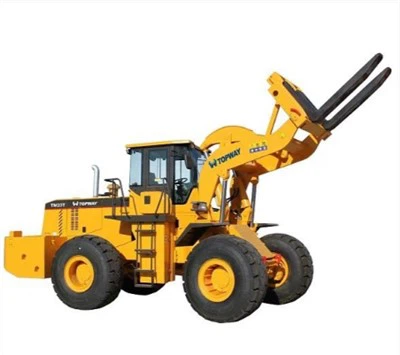 Forklift Front End LoaderModel: TM23T. Operating weight:23,000kg. Rated load:23,000 KG. Engine model: WD10G240E21. RatedAdd to Inquiry
 -
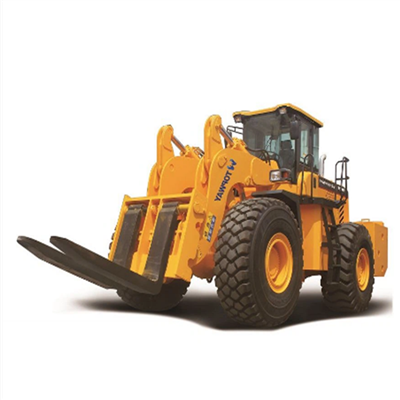 Wheel Loader ForkliftModel:TM18T. Operating weight:21,000kg. Rated power:162KW. Rated rotate speed:2000r/ninAdd to Inquiry
 -
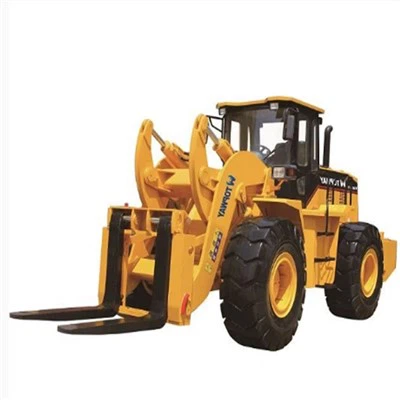 Wheel Loader ForkModel: TM18T. Operating weight:21,000kg. Rated load:18,000 KG. Engine model: WD10G220E223Add to Inquiry
 -
 Mini Tractor With Front End LoaderModel:ZL20. Rated loading:2000kg. Overall weight:5000kg. Maximum grade ability:30℃. Maximum dumpAdd to Inquiry
 -
 Front End Loader MiniModel:ZL20. Rated loading:2000kg. Overall weight:5000kg. Rated bucket capacity:1.0m3.Add to Inquiry
 -
 Miniature Front End LoaderModel:ZL20. Rated loading:2000kg. Overall weight:5000kg. Rated bucket capacity:1.0m3Add to Inquiry
 -
 Wheel Loader CompactBucket capacity:1.1m³. Rated load:2.0t. Operating weight:6.0t. Breakout force:≥55KN. OverallAdd to Inquiry
 -
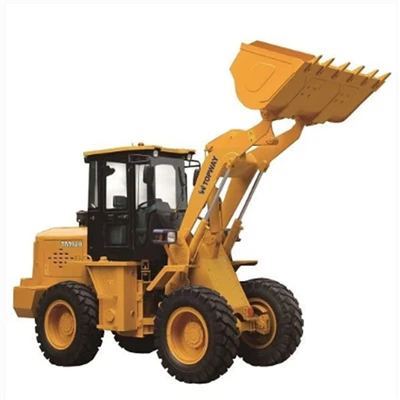 Sub Compact Wheel LoaderBucket capacity:1.1m³. Rated load:2.0t. Operating weight:6.0t. Breakout force:≥55KNAdd to Inquiry
 -
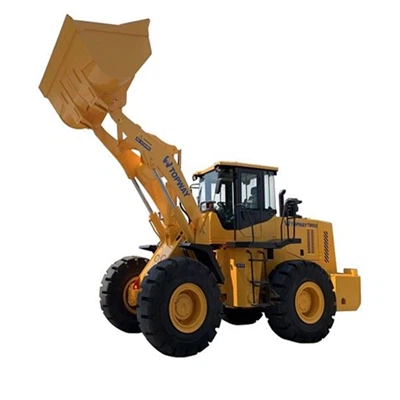 Wheel Loader SmallModel: TM918H. Rated Road: 1800kg. Bucket Capacity: 1.0CBM. Engine Model: YT4B3-G98Q. Rated Power:Add to Inquiry
 -
 Small PayloaderModel: TM918H. Rated Road: 1800kg. Bucket Capacity: 1.0CBM. Engine Model: YT4B3-G98Q. Rated Power:Add to Inquiry
 -
 1.8 Ton PayloadersTM918 1.8 ton wheel loaders are equipped with either a YTO engine or a Cummins engine, both ofAdd to Inquiry


- Tel: +86-592-6286561
- Fax: +86-592-6286562
- Email: sales@topwaymachine.com
- Add: Room1513 15th Floor 270th Changhao Road, Huli District Xiamen, Fujian, China
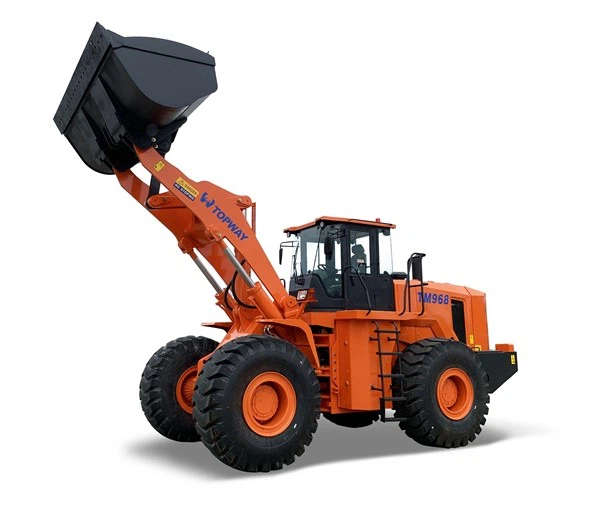
Definition of Wheel Loaders
Wheel loaders are heavy equipment machines used in construction, mining, agriculture, and various industries. They feature a front-mounted bucket attached to articulated arms and large wheels or tires for mobility across different terrains. These loaders scoop, lift, transport, and load materials like soil, gravel, and debris into trucks or other machinery. They come in various sizes and can be equipped with different attachments for specific tasks. Operators control them from an enclosed cab with ergonomic controls for efficient handling
What are the advantages of Wheel Loaders?
Versatility
They are versatile machines suitable for a wide range of tasks, from loading and transporting materials to handling different attachments for specialized jobs like snow removal, logging, or pallet handling.
Efficiency
Wheel loaders are designed for efficiency in material handling. Their ability to scoop and load large quantities of material quickly enhances productivity on job sites.
Maneuverability
These loaders can navigate through rough or confined spaces, thanks to their articulated steering and mobility, making them suitable for construction sites or areas with limited access.
Attachments and Adaptability
They can be fitted with different attachments such as forks, buckets, grapples, and more, making them adaptable for a wide array of tasks without requiring multiple specialized machines.
All-Terrain Capability
Their large, rugged wheels or tires allow them to operate on diverse terrains, including uneven or challenging surfaces, providing operational flexibility.
Cost-Effectiveness
Wheel loaders' multifunctionality and efficiency can lead to cost savings by reducing the need for multiple pieces of equipment to perform various tasks.
Components of Wheel Loaders
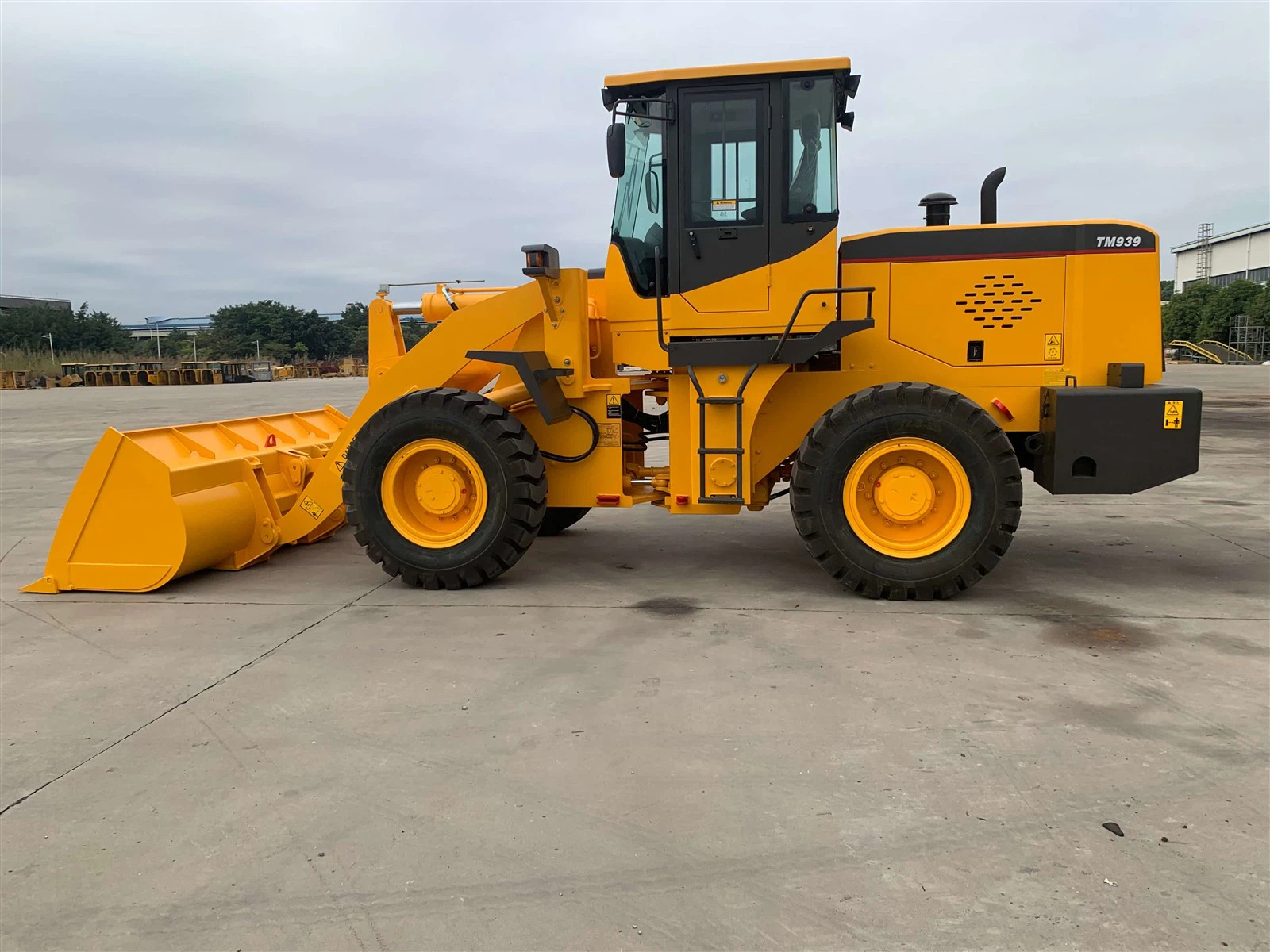
Wheel loaders are heavy equipment machines used in construction, mining, agriculture, and other industries to move and load materials. These machines consist of several key components:
Bucket: The bucket is the main attachment at the front of the wheel loader used for scooping, lifting, and transporting materials such as dirt, gravel, sand, or debris.
Chassis and Frame: The chassis forms the base of the wheel loader, providing structural support and housing for the various components. The frame connects the chassis to the axles and supports the loader's weight and attachments.
Engine: Wheel loaders are powered by diesel engines that provide the necessary horsepower to operate the machine. These engines vary in size and power output based on the loader's size and intended use.
Hydraulic System: Wheel loaders use a hydraulic system to operate the bucket, lift arms, and other attachments. Hydraulic cylinders and pumps power the movements, allowing for efficient lifting, dumping, and tilting of the bucket.
Transmission and Axles: The transmission transfers power from the engine to the wheels, allowing the loader to move forward, backward, and turn. Axles distribute power to the wheels and support the weight of the machine.
Operator Cab: The cab provides a protected and comfortable environment for the operator. It contains controls for operating the loader, along with instruments and displays to monitor the machine's performance.
Wheels and Tires: Wheel loaders typically have large, heavy-duty wheels fitted with pneumatic tires designed to navigate various terrains while bearing heavy loads.
Counterweight: Some wheel loaders have a counterweight attached to the rear of the machine to provide stability when lifting heavy loads, preventing tipping.
Articulation and Steering: Many wheel loaders feature an articulated steering system, allowing the machine to bend in the middle for better maneuverability in tight spaces. Some loaders also have additional steering modes for enhanced control.
Cooling System: Wheel loaders are equipped with cooling systems, including radiators and fans, to regulate engine temperature and prevent overheating during prolonged operation.
These components work together to enable wheel loaders to efficiently perform a wide range of tasks in construction, mining, agriculture, and other industries.

Maintenance Tips for Wheel Loaders
Regular Inspections: Conduct routine visual inspections of the entire machine, checking for leaks, loose bolts, damaged hoses, tire wear, and any signs of wear and tear. Address any issues promptly to prevent further damage.
Fluid Checks and Changes: Regularly check and maintain proper levels of engine oil, hydraulic fluid, coolant, and other essential fluids as per the manufacturer's guidelines. Change fluids and filters at recommended intervals to keep the machine running smoothly.
Greasing and Lubrication: Grease all moving parts as specified in the maintenance schedule. Lubricate hinges, pivot points, and other components to prevent friction and ensure smooth operation.
Tire Maintenance: Monitor tire pressure regularly and inspect tires for cuts, bulges, or wear. Properly inflated tires improve fuel efficiency and machine stability. Rotate tires periodically to ensure even wear.
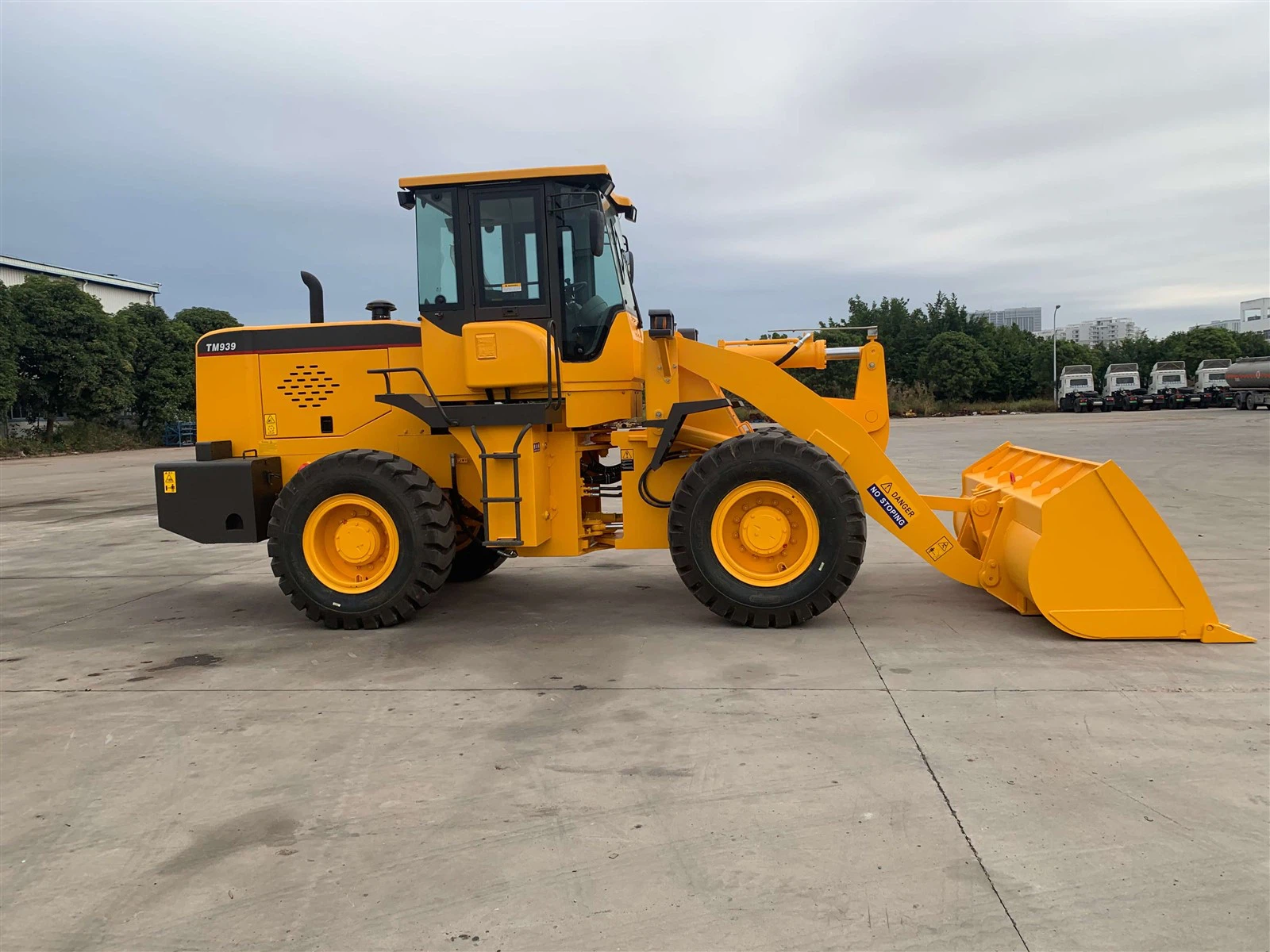
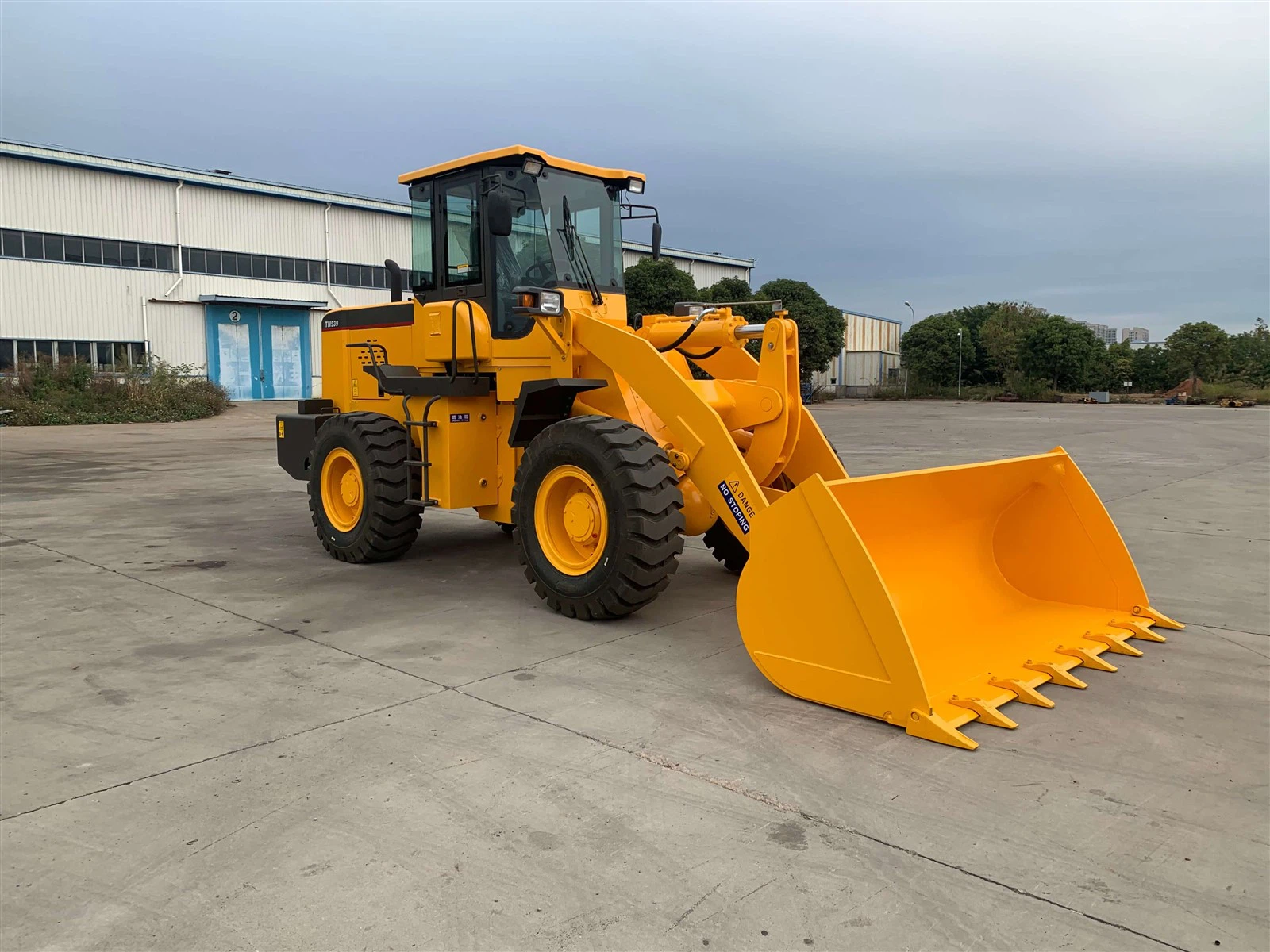
Inspect and Maintain the Bucket: Check the bucket and cutting edges for wear. Replace or repair worn edges to maintain efficient material handling and prevent damage to the loader.
Cooling System Maintenance: Keep the cooling system clean and free from debris. Regularly clean radiators, fans, and vents to prevent overheating and ensure efficient engine cooling.
Electrical System Checks: Inspect electrical connections, wiring, lights, and switches. Repair or replace any damaged components to avoid electrical issues that could disrupt machine functionality.
Operator Training and Care: Ensure operators are adequately trained to operate the wheel loader safely and efficiently. Encourage proper operating techniques and regular equipment checks during use.
Scheduled Maintenance Services: Adhere to the manufacturer's recommended maintenance schedule outlined in the operator's manual. Scheduled services, including engine tune-ups, hydraulic system checks, and overall inspections, are essential for optimal performance.
Storage and Shelter: When not in use, store the wheel loader in a sheltered area to protect it from harsh weather conditions and corrosion. Proper storage helps prolong the machine's lifespan.
Record Keeping: Maintain detailed records of maintenance and service performed on the wheel loader. This information helps track maintenance intervals, identify recurring issues, and ensure timely servicing.
Regular maintenance not only prevents unexpected breakdowns but also enhances the safety, efficiency, and longevity of wheel loaders, reducing overall operating costs and downtime.
Here are some questions and answers about wheel loaders
Q: 1. What is a wheel loader?
Q: 2. What are the main components of a wheel loader?
Q: 3. What are the different types of wheel loaders available?
Q: 4. What are the primary applications of wheel loaders?
Q: 5. What factors should be considered when selecting a wheel loader?
Q: 6. How does the articulated steering system in wheel loaders work?
Q: 7. What are the key maintenance practices for wheel loaders?
Q: 8. How can operators ensure safety when operating a wheel loader?
Q: 9. What are the advancements in wheel loader technology?
Q: 10. How do wheel loaders contribute to increased efficiency on job sites?
We're well-known as one of the leading wheel loaders manufacturers and suppliers in China. If you're going to wholesale high quality wheel loaders for sale, welcome to get more information from our factory. For price consultation, contact us.
