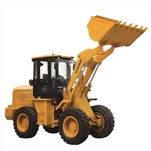
A bulldozer is a heavy construction equipment used for various earth-moving tasks, including leveling, grading, and excavation. The key components of a typical bulldozer include:
Blade: The blade, also known as the dozer blade or bulldozer blade, is the primary working tool at the front of the bulldozer. It is a large, heavy metal plate used for pushing and moving soil, debris, or other materials during construction or excavation.
Ripper: Some bulldozers may be equipped with a ripper attachment at the back. The ripper is used to break up hard materials like rock and compacted soil, making it easier for the blade to move and level the terrain.
Tracks: Bulldozers are equipped with caterpillar tracks (also known as crawler tracks) instead of wheels. These tracks provide stability, traction, and weight distribution, allowing the bulldozer to move effectively on rough and uneven terrain.
Engine: The engine is the powerhouse of the bulldozer. It provides the necessary energy to drive the tracks and power the hydraulic systems that operate the blade and other attachments.
Operator Cab: The operator cab is the enclosed compartment where the bulldozer operator sits. It provides protection for the operator from external elements, noise, and debris, as well as a comfortable working environment. The operator uses various controls and instruments inside the cab to operate the machine.
Hydraulic System: Bulldozers rely on hydraulic systems to control the movement of the blade and other attachments. Hydraulic cylinders and pumps enable the operator to raise, lower, and tilt the blade as needed.
Counterweight: To maintain stability and balance during heavy operations, bulldozers often have a counterweight at the rear. This helps prevent the machine from tipping forward when pushing heavy loads.
Transmission: The transmission is responsible for transferring power from the engine to the tracks, allowing the bulldozer to move forward or backward at different speeds.
Undercarriage: The undercarriage is the lower structure that supports the tracks and keeps them in place. It includes components such as rollers, idlers, and track shoes.
Cooling System: Bulldozers are equipped with cooling systems to regulate the engine temperature and prevent overheating during prolonged operation.
Electrical System: The electrical system includes the various electrical components and wiring needed to power and control the bulldozer's functions, such as lights, indicators, and instrumentation.
Keep in mind that specific bulldozers may have additional features or attachments depending on their intended use and manufacturer. Different models and sizes of bulldozers can also vary in terms of their components and capabilities.