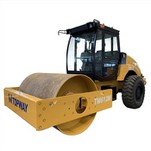
Using a road roller, also known as a steamroller or compactor, can be a hazardous task if not done with proper safety precautions. Road rollers are heavy pieces of construction equipment designed to compact soil, asphalt, or other materials to create a smooth and stable surface.
Here are some safety measures to pay attention to when using a road roller :

Training and Certification: Only trained and certified operators should operate road rollers. Ensure that operators have received proper training on the equipment's operation, safety procedures, and maintenance.
Safety Gear: Operators should wear appropriate personal protective equipment (PPE), including a hard hat, high-visibility vest or clothing, steel-toed boots, hearing protection, and safety glasses or face shields.
Pre-Operation Inspection: Before starting the roller, perform a thorough inspection of the machine to ensure it's in good working condition. Check for any loose or damaged parts, leaks, and proper tire or drum inflation.
Operating Manuals: Operators should be familiar with the manufacturer's operating manuals and guidelines for the specific roller they are using.
Load Limits: Know the maximum load capacity of the roller and do not exceed it. Overloading can lead to instability and accidents.
Communication: Establish clear communication methods between the operator and ground personnel, especially when working in teams. Use hand signals or radios to coordinate movements.
Work Site Inspection: Inspect the work site for potential hazards, such as steep grades, loose soil, obstacles, and utilities like underground cables or pipes. Mark hazards and avoid them during operation.
Traffic Control: If working near public roads, ensure proper traffic control measures are in place, including signs, cones, and flaggers, to protect both workers and passing vehicles.
Proper Seating: The operator should sit in the designated operator seat and use seat belts if equipped.
Start-Up Procedure: Follow the recommended start-up procedure for the specific roller model. This may involve checking fuel levels, hydraulic fluid levels, and engine oil levels.
Operation Speed: Operate the roller at a safe and controlled speed, especially when turning or reversing. Sudden or high-speed maneuvers can lead to accidents.
Clear Visibility: Maintain clear visibility of the work area and any workers on foot. Use mirrors and visual aids if necessary.
Braking: Understand the braking system of the roller and use it appropriately, especially when going downhill or stopping on slopes.
Avoid Steep Slopes: Avoid operating on steep slopes or embankments, as the roller can tip over more easily in such conditions.
Shutdown Procedure: Follow the recommended shutdown procedure for the roller when the work is complete. This may involve turning off the engine, engaging the parking brakes, and securing the machine.
Maintenance: Regularly inspect and maintain the roller as per the manufacturer's recommendations. Ensure that all safety features, such as lights and alarms, are in working order.
Emergency Procedures: Familiarize yourself with emergency procedures, including how to shut off the machine in case of an emergency, and how to respond to fire or hydraulic fluid leaks.
Training Refresher: Periodically provide refresher training to operators to ensure they stay up-to-date with safety procedures and best practices.
Remember that safety should always be a top priority when operating heavy machinery like road rollers. Following these safety measures can help reduce the risk of accidents and injuries on the job site.