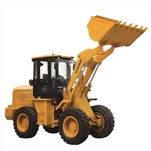
The choice between tracks and wheels for a loader depends on the specific requirements and conditions of the application. Each option has its own advantages and disadvantages, and the decision should be based on factors such as terrain, intended use, cost, and maintenance considerations. Here are some points to consider for both tracks and wheels:
Tracks (Caterpillar-style tracks):
Traction and Stability: Tracks provide better traction and stability on soft or uneven terrain, such as mud, snow, and loose soil. They distribute the loader's weight over a larger surface area, reducing the risk of sinking or getting stuck.
Low Ground Pressure: Tracks offer a lower ground pressure compared to wheels, which can be beneficial for operations on delicate surfaces or environmentally sensitive areas.
Improved Climbing Ability: Tracks can offer better climbing ability on steep slopes due to their increased traction.
Smooth Ride: Tracks can provide a smoother ride on rough surfaces, reducing operator fatigue and potentially increasing productivity.
However, tracks also come with some drawbacks:
Slower Speed: Tracked loaders are generally slower than wheeled loaders, which could impact efficiency for tasks requiring frequent travel over longer distances.
Higher Maintenance: Tracks require more maintenance compared to wheels. The components of the track system, such as the undercarriage, may need regular inspection and replacement, leading to increased downtime and maintenance costs.
Higher Initial Cost: Tracked loaders typically have a higher initial purchase cost compared to wheeled loaders.
Wheels:
Higher Speed: Wheeled loaders can achieve higher speeds, making them more suitable for applications where travel over longer distances is required.
Lower Maintenance: Wheeled loaders generally have lower maintenance requirements compared to tracked loaders. Wheel systems are simpler and less prone to wear and tear in some conditions.
Versatility: Wheeled loaders can be more versatile for applications that involve frequent changes in terrain type. They are often used in urban or industrial settings where surfaces are relatively even.
Cost Efficiency: Wheeled loaders may have a lower initial purchase cost compared to tracked loaders.
However, wheels also have some limitations:
Traction on Soft Terrain: Wheeled loaders may struggle with traction on soft or uneven terrain, potentially leading to reduced performance or getting stuck.
Higher Ground Pressure: The concentrated weight of wheeled loaders can result in higher ground pressure, which might be problematic on delicate surfaces or in environmentally sensitive areas.
Ultimately, the choice between tracks and wheels for a loader depends on the specific needs of the job, the type of terrain you'll be operating on, and your budget for both initial purchase and ongoing maintenance. It's important to carefully assess your requirements and consult with experts or dealers to determine the most suitable option for your application.